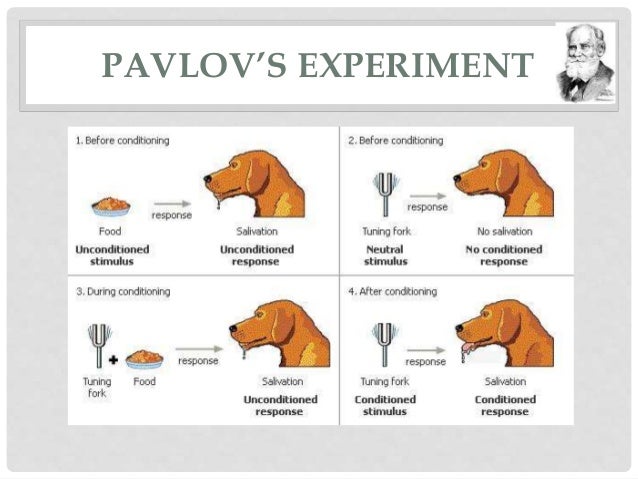
Hey guys this weeks blog will touch on the process of consumer learning and its involvement in the purchasing of products. So generally speaking there are two main types of consumer learning a behavioral and cognitive learning processes, now behavioral learning has two types of processes classical conditioning and instrumental conditioning. Instrumental conditioning is the simpler process out of the two it is the continuous process of trial and error purchasing of products until the consumer receives positive feedback from one of the purchases which will motivate the consumer on an emotional level to repurchase the product which is the goal of marketers gearing their products to this process. Classical conditioning is a little more complicated, it consists of the assumption that learning will take place given an external stimulus and upon repetition of stimuli the response can be conditioned into the consumer as a permanent reaction to a product. Classical conditioning in action can be seen in Ivan Pavlov’s Experiment where he tested the response of a dog with food and a bell where the responses garnered was salivation and no salivation respectively, next Pavlov brought the dog its food while chiming the bell at the same time for the response to be the dog salivating. The experiment with both the food and bell being done at the same time continued for several days, the final stage of the experiment was to ring the bell with no food to see what the dogs response was and the results were the dog salivating at the sound of the bell. This experiment shows classical conditioning successfully implemented where a stimuli with a known response (food and salivation) has the stimuli replaced with a different one for the same reaction (the bell and salivation).
Now in regards to cognitive learning process it is essentially the opposite of the behavioral process meaning that instead of buying products because of the external stimuli a deeper level of involvement is made by the consumer. This process is working on the assumption that the consumer will engage with a companies product past the surface level in order to gain a better understanding of the product. It is usually utilized for high priced or risk items such as cars and insurance where it is paramount for the consumer to research the product to ensure it is what they are looking for when it comes to their needs and wants.
Nintendo has a tendency to lean their marketing towards the behavioral processes due to their extensive history in the game console market they have had the time to utilize classical conditioning into their market base. This is evident by the instant recognition of the various theme songs of their exclusive games the most prominent of which being Mario kart and the Mii channel triggering positive emotions throughout an entire generation of consumers and Nintendo has continued this process with the release of their new consoles including the Wii U and Nintendo Switch both having new Mario Kart games and online Mii interactions broadening the effect of their consumer learning.
References
Solomon, Michael, et al. Consumer Behaviour: Buying, Having Being, Pearson Australia, 2018
Psychologists world 2019, Pavlov’s Dogs and Classical Conditioning,
https://www.psychologistworld.com/behavior/pavlov-dogs-classical-conditioning

 Consumers Today