Presentation

By Bryce Hatton

Motivation in the Marketplace

Hey guys today’s blog will be about Motivations of the consumer when purchasing a product and the importance it plays in a businesses product development and marketing. Motivation in the marketplace is driven by two key factors of a consumer they are the reason why the consumer buys your brand and their motive for purchasing your brand. To elaborate on these two points the “why they buy” is focused on the product and the environment that the consumer is in at the time of the purchase meaning that if your product fills the need of the consumer at a particular place and time the consumer will buy the product. Now for the “motive for purchasing” is what the consumer takes into account about your brand and product to make a purchasing decision such as cost, brand loyalty, brand awareness, health rating, packaging etc, and whether these factors align with their needs and psychological sate. Here’s and example of motivation purchasing, a fitness buff consumer wishes to buy a new pair of shoes due to their old pair wearing out and due to their fitness mindset they gravitate towards the Nike brand whose image is that of professional sports showing a successful use of the consumers why and motive being respectively old pair of shoes wearing out and Nike providing a suitable product and a brand image that aligns with the consumers psychological wants.

Image result for motivation
In regar

In regards to how Nintendo utilizes the understanding of consumer purchase motivation is quite simple, being the top provider of family friendly games that are aimed at parents to purchase for their children due to their minimum violence and lovable and recognizable mascot-like characters such as The Super Mario and Wii Sports games. The long successful history that Nintendo has had with these characters has also engraved nostalgia into the consumer base as they are characters that an entire generation has grown up with and loved over the course of their lives which no other entertainment company e.g Xbox and Play-station has capitalized on and it is what Nintendo uses in order to maintain their competitive edge in the current market and needless to say it working. So in summary Nintendo knows that the consumer purchases their product because it satisfies the need for a family friendly electronic game product while backing these products with a history of lovable characters such as Mario, Sonic the hedgehog, Zelda and others that the generation of up coming adults have grown up with, appealing to the psychological disposition of the consumer creating a bond of trust developed through years of involvement with the Nintendo Brand name.

Image result for Nintendo family gaming
The Beloved Faces of Nintendo

References:

Consumer Perception

Hello again every one this blog will be about the influence of perception in the market place and how this intricate concept influences consumer behavior. So to get right down to the bones of what perception is, perception by definition is the human response to external environment and how we make sense of all of this information by stringing it into a coherent view of our surrounding even if the stimuli given is a unreliable source perception is generally taken as reality (Solomon, Michael, et al). Now in terms of applying this in a business stetting organisations utilize advertising, packaging, price, among other controlled information to attract a consumers attention and once successful in that uses these stimuli in order to influence consumer perception of their brand to increase sales.
Image result for nintendo logo

In the case of the organisation Nintendo the organisation has over the years created a stable perception as a family oriented technology brand. this perception is created through their advertising which consistently contains the imagery of families of all ages playing games on their Nintendo consoles (Adam Edwards 2013). This family friendly perception is also backed up through their exclusive games e.g Mario, Wii sports, Zelda and a wide variety of others that have become house hold names since the beginning Mario who has been a staple face of the Nintendo brand and embodies their ideal perception of family friendly gaming with iterations of the famous plumber such as Mario tennis, Mario Party, Mario and sonic at the Olympic games And my personal favorite of them all the classic Mariokart.

Mario Themed Halloween costume

Now i’d argue that that it is because of Nintendo’s great effort to carve itself into a family friendly perception within the market that allows it to continue to compete against more popular consoles such as Xbox and PS4 who are more perceived as young adult and violent game titles Such as call of duty or Halo. So in essence by utilizing stimuli for their product such as price, packaging, and imagery in advertisements are used by organisations, like Nintendo in this case utilizing family friendly gaming as imagery prompting parents to purchase their consoles and games over competitors for their children (or at least that’s the reason my house hold has a Wii), so in this modern era of the market were games are getting more sophisticated Nintendo capitalizes on it’s perception to maintain their competitive edge show just how potent perception can be to the survival and success of any organisation. What do you guys think let me know in the comments.

Image result for mario kart meme

References:

Solomon, Michael, et al. Consumer Behaviour: Buying, Having Being, Pearson Australia, 2018


Aaron Edwards ,How Perception Is Key to Nintendo’s Survival, Nintendo world report, 2013, http://www.nintendoworldreport.com/editorial/35059/how-perception-is-key-to-nintendos-survival

Motivation in the Marketplace

Hey guys today’s blog will be about Motivations of the consumer when purchasing a product and the importance it plays in a businesses product development and marketing. Motivation in the marketplace is driven by two key factors of a consumer they are the reason why the consumer buys your brand and their motive for purchasing your brand. To elaborate on these two points the “why they buy” is focused on the product and the environment that the consumer is in at the time of the purchase meaning that if your product fills the need of the consumer at a particular place and time the consumer will buy the product. Now for the “motive for purchasing” is what the consumer takes into account about your brand and product to make a purchasing decision such as cost, brand loyalty, brand awareness, health rating, packaging etc, and whether these factors align with their needs and psychological sate. Here’s and example of motivation purchasing, a fitness buff consumer wishes to buy a new pair of shoes due to their old pair wearing out and due to their fitness mindset they gravitate towards the Nike brand whose image is that of professional sports showing a successful use of the consumers why and motive being respectively old pair of shoes wearing out and Nike providing a suitable product and a brand image that aligns with the consumers psychological wants.

Image result for motivation
In regar

In regards to how Nintendo utilizes the understanding of consumer purchase motivation is quite simple, being the top provider of family friendly games that are aimed at parents to purchase for their children due to their minimum violence and lovable and recognizable mascot-like characters such as The Super Mario and Wii Sports games. The long successful history that Nintendo has had with these characters has also engraved nostalgia into the consumer base as they are characters that an entire generation has grown up with and loved over the course of their lives which no other entertainment company e.g Xbox and Play-station has capitalized on and it is what Nintendo uses in order to maintain their competitive edge in the current market and needless to say it working. So in summary Nintendo knows that the consumer purchases their product because it satisfies the need for a family friendly electronic game product while backing these products with a history of lovable characters such as Mario, Sonic the hedgehog, Zelda and others that the generation of up coming adults have grown up with, appealing to the psychological disposition of the consumer creating a bond of trust developed through years of involvement with the Nintendo Brand name.

Image result for Nintendo family gaming
The Beloved Faces of Nintendo

References:

Personality and the Self

Hey guys the blog topic for today will be the concepts of consumer personalities and self concepts. personality is defined as the culmination of characteristics or qualities that form an individual’s distinctive character, in order for marketers to utilize this human characteristic in their strategies an understanding of the motivations and thought processes behind the customers personality traits such as extroversion, sensing, judging and by understanding these traits withing there consumer base can target advertisement in order to appeal to their psychological states. Self concepts are broadly speaking how the consumer perceives themselves and how they think others perceive them, in all there are five self concepts:

  1. Actual self image: the way a consumer perceives themselves
  2. Ideal self image: the way the consumer wishes to be perceived
  3. Social self image: how a consumer feels that others see them
  4. Ideal social self image: how a consumer wishes to be seen by others
  5. Expected self image: how the consumer expects to see themselves in the future

Every consumer is influenced by these five self concepts in some capacity when utilizing purchase decision processes and it is the marketers job to understand the contrast between their customer bases actual self image and their ideal self image which once known can allow the company to modify or produce products that can assist in the consumer reaching their ideal self image.

Image result for self image

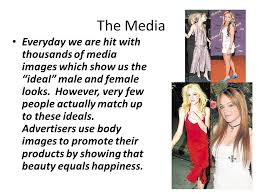
The most prominent example of using the understanding of a customers self concepts would be the beauty product market sector where years of social mental conditioning has been exposed to the world at large imprinting the “ideal” male and and female body features into the mass consumer creating and outlining clear differences between the actual self and ideal self of the potential customer. Once this distance between these self concept is established and understood beauty product companies then create products that appeal to the improvement of their customers appearance allowing them to decrease the metaphorical distance between the actual and ideal self concepts. This type of marketing is still using the simplest business of identifying a need and supplying it with a suitable product the difference is this strategy can be used in order to create the need at the detriment of the consumers actual self image which is viewed as a moral grey area and is constantly debated in the business world.

Now in regards to Nintendo using the self concepts in order to market their products, predominantly family friendly franchise games which would appeal to their consumers social self image especially since the majority of their consumer base is consisted of parents and young children and teenagers. The negative social pressure of buying your children violent video games is what aids in Nintendo’s strategies when targeting their consumers with their family friendly options allowing for entertainment at no social expense to their customers showing the usage of understanding the consumers social self image and how it can be used in relation to marketing their products.

References:

Learning and Memory

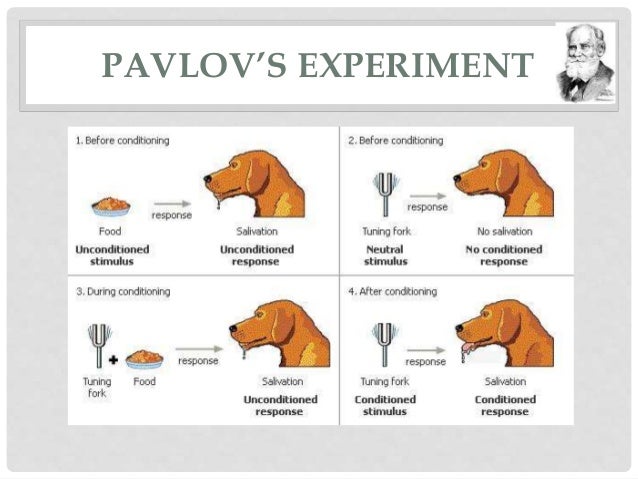
Hey guys this weeks blog will touch on the process of consumer learning and its involvement in the purchasing of products. So generally speaking there are two main types of consumer learning a behavioral and cognitive learning processes, now behavioral learning has two types of processes classical conditioning and instrumental conditioning. Instrumental conditioning is the simpler process out of the two it is the continuous process of trial and error purchasing of products until the consumer receives positive feedback from one of the purchases which will motivate the consumer on an emotional level to repurchase the product which is the goal of marketers gearing their products to this process. Classical conditioning is a little more complicated, it consists of the assumption that learning will take place given an external stimulus and upon repetition of stimuli the response can be conditioned into the consumer as a permanent reaction to a product. Classical conditioning in action can be seen in Ivan Pavlov’s Experiment where he tested the response of a dog with food and a bell where the responses garnered was salivation and no salivation respectively, next Pavlov brought the dog its food while chiming the bell at the same time for the response to be the dog salivating. The experiment with both the food and bell being done at the same time continued for several days, the final stage of the experiment was to ring the bell with no food to see what the dogs response was and the results were the dog salivating at the sound of the bell. This experiment shows classical conditioning successfully implemented where a stimuli with a known response (food and salivation) has the stimuli replaced with a different one for the same reaction (the bell and salivation).

Image result for pavlov's experiment

Now in regards to cognitive learning process it is essentially the opposite of the behavioral process meaning that instead of buying products because of the external stimuli a deeper level of involvement is made by the consumer. This process is working on the assumption that the consumer will engage with a companies product past the surface level in order to gain a better understanding of the product. It is usually utilized for high priced or risk items such as cars and insurance where it is paramount for the consumer to research the product to ensure it is what they are looking for when it comes to their needs and wants.

Nintendo has a tendency to lean their marketing towards the behavioral processes due to their extensive history in the game console market they have had the time to utilize classical conditioning into their market base. This is evident by the instant recognition of the various theme songs of their exclusive games the most prominent of which being Mario kart and the Mii channel triggering positive emotions throughout an entire generation of consumers and Nintendo has continued this process with the release of their new consoles including the Wii U and Nintendo Switch both having new Mario Kart games and online Mii interactions broadening the effect of their consumer learning.

References

Solomon, Michael, et al. Consumer Behaviour: Buying, Having Being, Pearson Australia, 2018

Psychologists world 2019, Pavlov’s Dogs and Classical Conditioning,
https://www.psychologistworld.com/behavior/pavlov-dogs-classical-conditioning

Consumer Perception

Hello again every one this blog will be about the influence of perception in the market place and how this intricate concept influences consumer behavior. So to get right down to the bones of what perception is, perception by definition is the human response to external environment and how we make sense of all of this information by stringing it into a coherent view of our surrounding even if the stimuli given is a unreliable source perception is generally taken as reality (Solomon, Michael, et al). Now in terms of applying this in a business stetting organisations utilize advertising, packaging, price, among other controlled information to attract a consumers attention and once successful in that uses these stimuli in order to influence consumer perception of their brand to increase sales.

Image result for nintendo logo

In the case of the organisation Nintendo the organisation has over the years created a stable perception as a family oriented technology brand. this perception is created through their advertising which consistently contains the imagery of families of all ages playing games on their Nintendo consoles (Adam Edwards 2013). This family friendly perception is also backed up through their exclusive games e.g Mario, Wii sports, Zelda and a wide variety of others that have become house hold names since the beginning Mario who has been a staple face of the Nintendo brand and embodies their ideal perception of family friendly gaming with iterations of the famous plumber such as Mario tennis, Mario Party, Mario and sonic at the Olympic games And my personal favorite of them all the classic Mariokart.

Mario Themed Halloween costume

Now i’d argue that that it is because of Nintendo’s great effort to carve itself into a family friendly perception within the market that allows it to continue to compete against more popular consoles such as Xbox and PS4 who are more perceived as young adult and violent game titles Such as call of duty or Halo. So in essence by utilizing stimuli for their product such as price, packaging, and imagery in advertisements are used by organisations, like Nintendo in this case utilizing family friendly gaming as imagery prompting parents to purchase their consoles and games over competitors for their children (or at least that’s the reason my house hold has a Wii), so in this modern era of the market were games are getting more sophisticated Nintendo capitalizes on it’s perception to maintain their competitive edge show just how potent perception can be to the survival and success of any organisation. What do you guys think let me know in the comments.

Image result for mario kart meme

Thanks for reading 🙂

References:

Solomon, Michael, et al. Consumer Behaviour: Buying, Having Being, Pearson Australia, 2018


Aaron Edwards ,How Perception Is Key to Nintendo’s Survival, Nintendo world report, 2013, http://www.nintendoworldreport.com/editorial/35059/how-perception-is-key-to-nintendos-survival
The power of materialism in the market place.

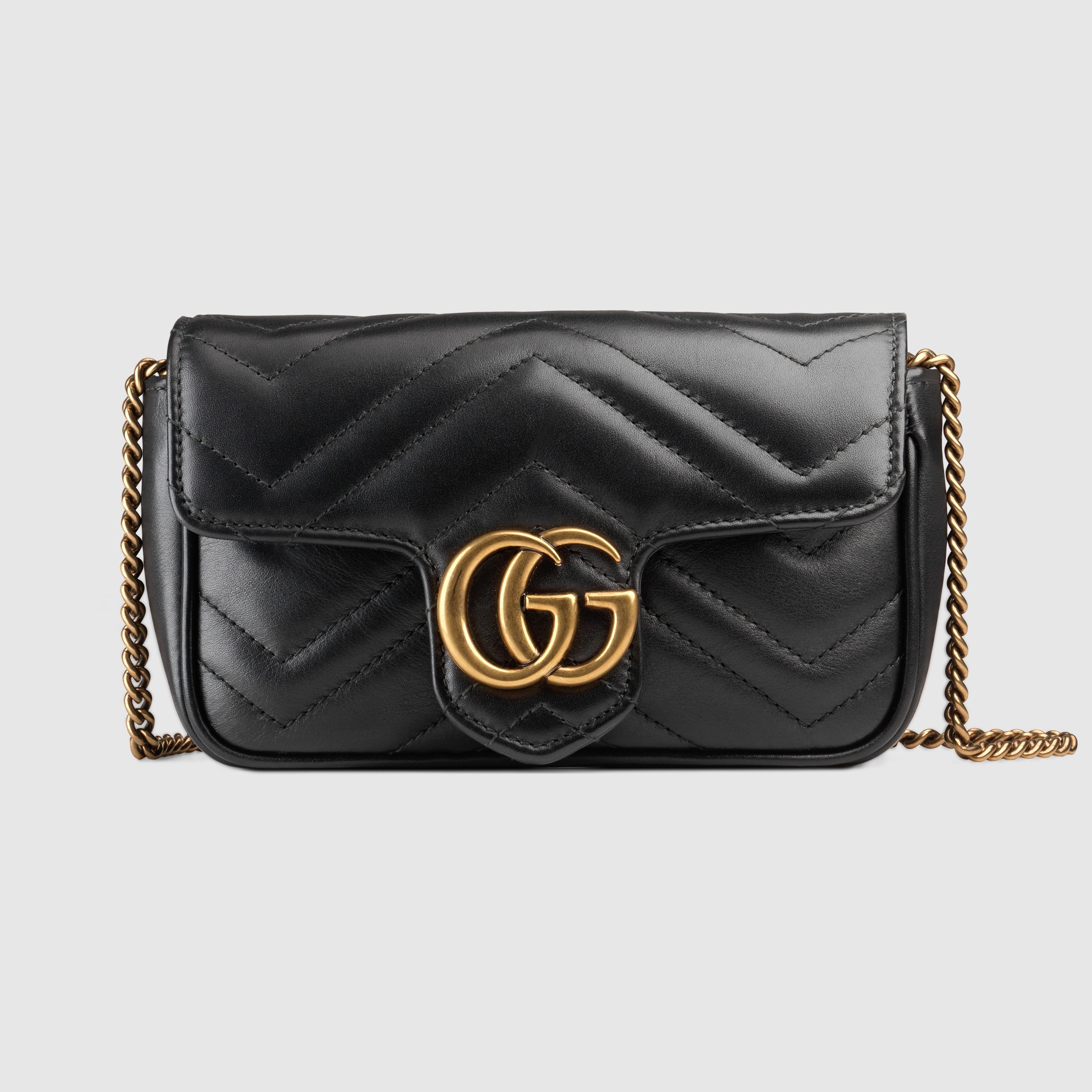
Hey guys so today I’m going to touch on the power of materialism and to see if we are what we buy. So to dive strait into it, in today’s market we have numerous stores that are classified as either “high class” or “luxury” brands these include businesses such as Vouge, Gucci and Prada which capitalize on the mass consumer attaching financial and social status value on the amount of higher quality products any one person owns/can afford. It is this obsession with societal classes in regards to financial situations of individuals that creates business for these luxury products but are we as the consumer really aware of what constitutes a luxury product?

The answer to this question is no we as a standard consumer cant tell the difference between a luxury brand sneaker and a standard brand sneaker and we can be easily conned into buying a standard sneaker for the price of a luxury item and i’m not just saying this and actual social marketing experiment run by Payless shoes where they opened a fake luxury brand store where they sold the same shoes that they had in stock at there standard store but at 1800% marked up prices turning what was originally a $35 shoe into a $645 shoe, if you are interested to know more click the link (https://www.youtube.com/watch?v=LPLWTT3ZVMo).

Image result for payless fake luxury store logo

The Crazy thing about this stunt that Payless Shoes pulled is that it actually worked we as the consumers couldn’t tell the difference and willing paid the specified amount assuming that the price was an indicator of quality when in fact in this case it was not and the driving force behind this type of consumer behavior is Materialism the sheer need to have nice things is what drives the consumers in the Payless Shoes case to buy products even though we are not qualified to appraise a products value so the next question id pose is are we really what we buy or do we just take shelter in the fact that when we buy a slightly more expensive product it somehow reflects status? ill leave that for you to think about however i think that we shouldn’t be blindly spending excessive amounts of hard earned money on products that may not be worth what the business is charging, well at least not until we have done our research.

References

Payless opens fake luxury shoe store as prank, ABC News (2018), https://www.youtube.com/watch?v=LPLWTT3ZVMo

GG Marmont matelassé leather super mini bag, Guuci (2019), https://www.gucci.com/au/en_au/pr/women/handbags/womens-mini-bags/gg-marmont-matelasse-leather-super-mini-bag-p-476433DSVRT1000?gclid=Cj0KCQjwg73kBRDVARIsAF-kEH_pet1waEDDj1TPzqPs8KlfRMS4vK3NBUu-ViX0ttc-LfIjqLqvIZQaAnoQEALw_wcB&gclsrc=aw.ds

Micheal R. Solomon Et al, (2019), Consumer Behavior buying, having , being 4th edition, Pearson Australia

Payless Opened a Fake Luxury Store, ‘Palessi,’ to See How Much People Would Pay for $20 Shoes, T.L Stanley 2018, https://www.adweek.com/brand-marketing/payless-opened-a-fake-luxury-store-palessi-to-see-how-much-people-would-pay-for-20-shoes/